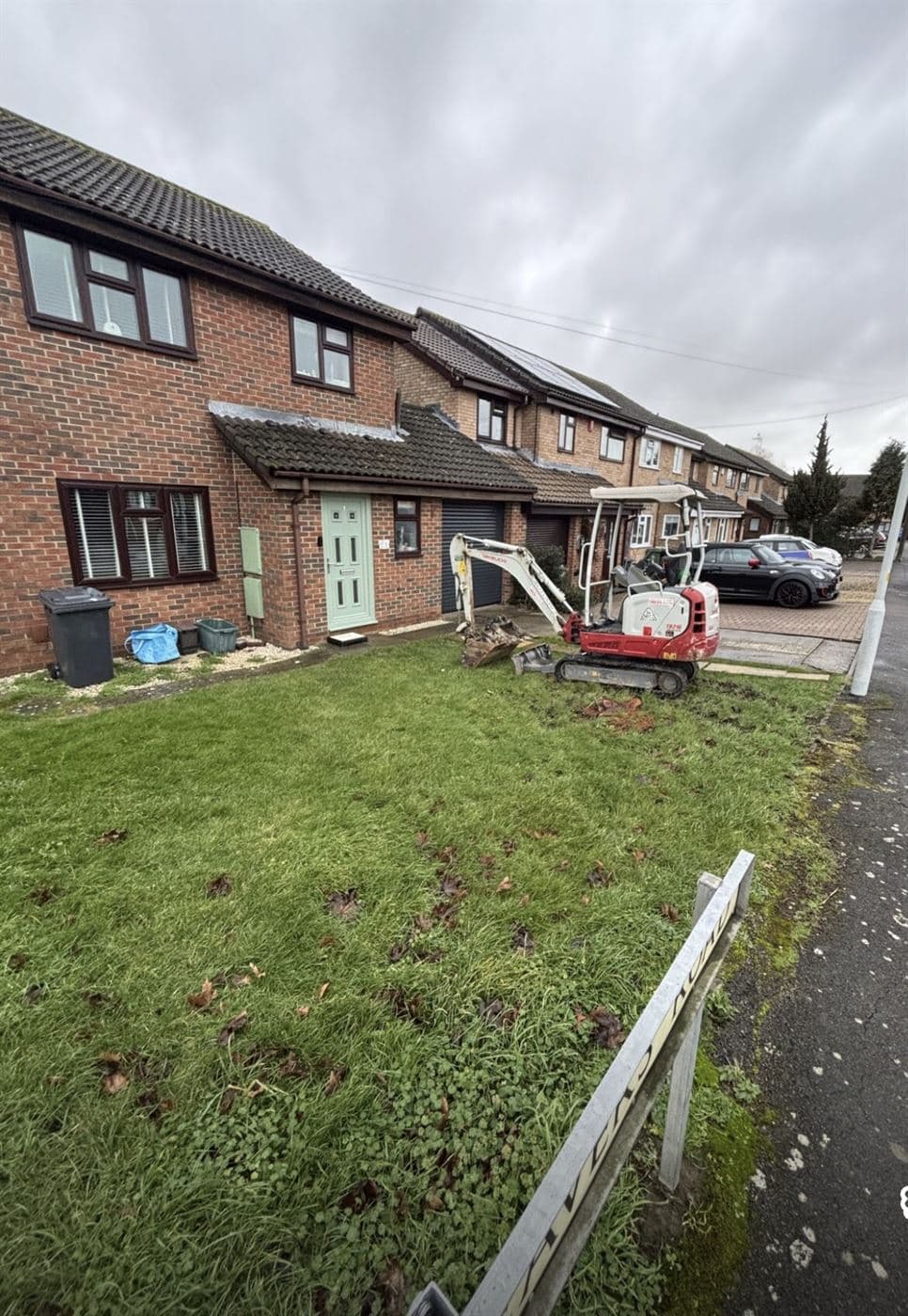
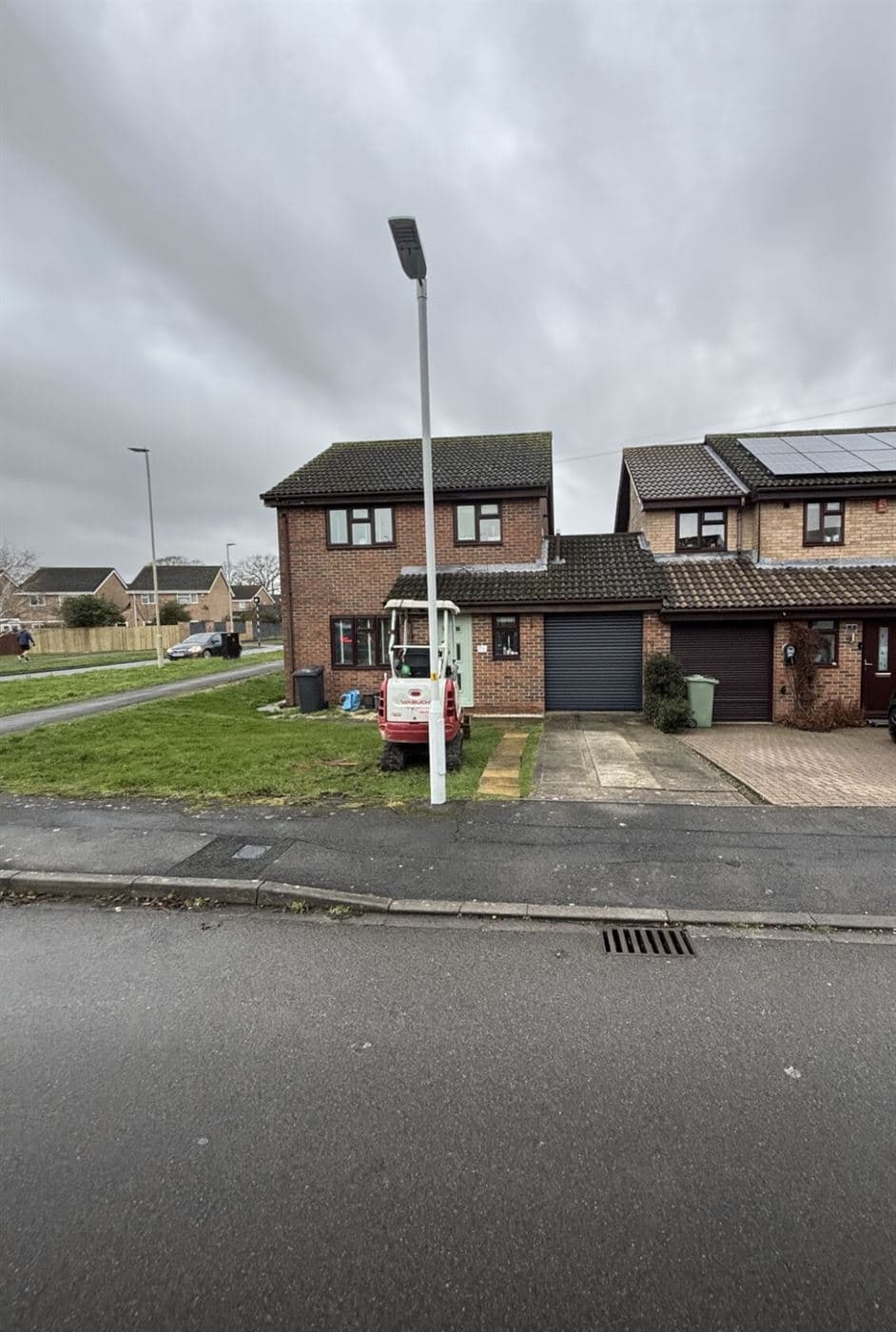
Site clearance and excavation carried out by KiKK Groundworks

Site Clearance & Excavation Contractors London

Site Clearance London
Demolition, Excavation & Muck Away

In London, the digging is the easy part. Getting the muck off site (legally, through a permit-controlled street, in a lorry that is allowed to be there) is the job. KiKK plans the logistics first and prices the method we will actually use.

Greater London Covered
Skip Permits Handled
Waste Transfer Notes
Fixed Written Quotes
Happy customer 1
Happy customer 2
Happy customer 3
Happy customer 4

100+ Happy Customers

5.0 Rating
London Services

In London, Muck Away Is the Cost, Not the Digging

A machine can strip a London garden in a day. Moving what comes out of it can take a week. On most London site clearance jobs the excavation is a minority of the price and the disposal is the majority, and homeowners are consistently surprised by that split.

Three things drive it. Landfill tax is charged per tonne on anything that cannot be recycled, and soil is heavy. A single cubic metre of wet London Clay weighs close to two tonnes, so a modest 20m³ dig is 35 to 40 tonnes of material to pay for. Tip charges in and around London are among the highest in the country and the nearest licensed facility is rarely nearby, so you are also paying for the round trip through London traffic. And then there is the street itself.

Because the honest answer on a lot of London terraces is that an 8-wheel grab lorry cannot get down the road at all, or can get down it but cannot stand and swing over parked cars. When that happens the cheapest disposal method is off the table before you start, and the price moves accordingly. This is why we survey the access route before we price the work, and why we will not give a figure over the phone.

Grab Lorry, Skip, Conveyor or Barrow: How the Spoil Actually Leaves

Four ways to get material off a London site. The one your property allows is the single biggest factor in what the job costs.

Grab Lorry

The cheapest way to move spoil per tonne, and the first thing we look for on a London site. An 8-wheel grab takes around 16 to 20 tonnes in one lift and needs to stand on the street with a clear swing to the muck. Many London streets simply will not take one: width, parked cars, low trees, a red route restriction, or a borough that will not allow a lorry to stand there.

Skip

Slower and dearer per tonne than a grab, but it works where a lorry cannot stand for long. On the public highway it needs a borough permit and usually suspended parking bays. Skips also have a weight limit long before they have a volume limit. Soil and concrete fill a skip by weight, not by height.

Conveyor or Chute

Where a machine cannot reach the spoil but the street is close, a conveyor down the side return or a chute through a window opening moves material out at a fraction of the labour cost of barrowing. Set-up takes time, so it earns its keep on volume rather than on small jobs.

Barrow-Out Through the House

On a mid-terrace with no side access this is sometimes the only route. Floors are boarded and sheeted, the hallway becomes a haul road, and every barrow of spoil comes out through the front door. It is slow and it is expensive in labour. It is also the single biggest reason two quotes for the same-looking London job can differ by thousands.

Permits, ULEZ and the Direct Vision Standard

Any skip standing on a public highway in London needs a permit, and that permit comes from the individual borough, not from a single London-wide body. Camden, Southwark, Ealing and Bromley all run their own systems, with their own fees, their own lead times and their own conditions on lighting, marking and duration. Plan for days, not hours. In a controlled parking zone you will normally need parking bays suspended as well, which is a separate application again.

The vehicles matter too. HGVs over 12 tonnes entering Greater London must hold a permit under Transport for London's Direct Vision Standard, which rates a cab on how much the driver can see directly and requires a Progressive Safe System where the rating is low. Add ULEZ emissions requirements for plant and vehicles on top. The practical effect is that not every muck-away lorry or low-loader in the country is legally able to work in London, and a contractor who has not planned for that finds out on the morning of the dig.

Working hours are the last piece. Most boroughs restrict noisy construction work to roughly 8am to 6pm Monday to Friday and 8am to 1pm on Saturday, with nothing on Sundays or bank holidays. The exact hours vary and should be confirmed with the borough for your address. It affects how long a clearance takes and it needs to be in the programme, not discovered halfway through.

Made Ground, Asbestos, Knotweed and Protected Trees

London is built on top of London. Dig a rear garden in Hackney or Lambeth and you will very often hit made ground: old fill, Victorian rubble, ash, clinker, buried foundations from a building that is not on any drawing you hold. It changes the excavation, it changes the disposal classification, and mixed or contaminated material costs considerably more to tip than clean inert soil. We take a view on the material at the site visit and tell you which disposal route it is likely to need before we price it, so a change on site is not a shock.

Asbestos. Asbestos cement is common in the roofs of pre-1980 London garages, sheds and lean-tos. If we suspect it, we stop and tell you. Licensed asbestos work is carried out by a licensed asbestos contractor under the Control of Asbestos Regulations 2012. It is not groundworks and we will not pretend otherwise. Once it has been surveyed, removed and documented, we pick the job back up.

Japanese knotweed. Excavating through knotweed spreads it, and moving contaminated soil off site without the right controls is a legal problem as well as a horticultural one. We identify it, we do not dig it, and we refer you to a specialist to treat or remove it under a management plan.

Trees. Tree Preservation Orders and conservation area protections are widespread across London. A tree in a conservation area requires six weeks' written notice to the borough before it is pruned or felled, and a TPO tree needs consent wherever it stands. Nothing comes down until that has been checked. If clearance is the first phase of a build, the tree position also feeds into foundation depth on London Clay. Worth resolving early rather than twice.


What Does Site Clearance Cost in London?

Guide ranges for London site clearance and excavation. Access, material type and borough permit costs move these figures more than anything else.

ItemGuide Cost
General site clearance (vegetation, rubble, light structures)£25 - £60 per m²
Garage or outbuilding demolition and removal£1,800 - £4,500
Concrete slab break-out and removal£40 - £85 per m²
Muck away, 20-tonne grab lorry load£280 - £450 per load
8-yard skip plus borough permit£350 - £600
Parking bay suspension (CPZ)£60 - £200 per bay per week
Hand dig and barrow-out (no vehicle access)Add 50% - 100% to the excavation element

Guide prices only, pending a site visit. No London clearance price is real until someone has walked the access route and looked at what is actually in the ground.

Get a Free Site Clearance Quote in London

Kallan will walk the access route, work out how the muck leaves, and price the method we will actually use.

01603 381016

Residential and Commercial Site Clearance in London

On the residential side the work is mostly garden strips ahead of an extension, garage and outbuilding demolition, concrete slab break-out, and reducing levels on a sloping rear garden. Small plots, heavy constraints, and a neighbour on each side. That is why we sheet, board and sweep as a matter of course rather than as an extra.

Commercial site clearance in London runs to bigger volumes but the same logic: yard and forecourt strips, demolition of single-storey structures, bulk excavation to formation level, and clearing plots ready for construction. Programme certainty matters more here, and programme certainty in London means permits applied for early, compliant haulage booked in advance, and a realistic view of how many grab loads a day the street will actually take.

Clearance is rarely the whole job. Where the site is being stripped ahead of a build, KiKK carries straight on into excavation, drainage connections and groundworks under one contract: no mobilisation gap, no second contractor pricing a site they did not clear. See the full range of groundworks services across London.

Why KiKK for Site Clearance in London

Fully Insured

Full public liability cover on every London clearance and demolition job. Documentation supplied before we start, not after you ask.

Waste Transfer Notes as Standard

Every load leaves to a licensed facility and you get the paperwork. The duty of care sits with you as the waste producer, so we make sure you can prove it was discharged.

Compliant Plant and Lorries

Muck-away vehicles entering Greater London have to meet the Direct Vision Standard and the ULEZ emissions rules. We plan the haulage around that instead of discovering it on day one.

We Stop When We Should

Suspected asbestos, knotweed or a protected tree means work stops in that area and you are told immediately. We do not dig through problems to keep a programme moving.

Compact Plant for No-Access Sites

Micro excavators that fit through a 750mm doorway, conveyors, and hand-dig crews. Most London rear gardens have no machine route. We plan the one that exists.

Fixed Written Quotes

No phone estimates. Kallan walks the access route, measures the muck volume, checks the borough restrictions, then prices it. Owner-led from quote to handover.

How It Works

Our Process

1

Site Visit & Access Survey

We walk the route the spoil has to take, not just the area to be cleared. Street width, lorry standing, side return, parking zone, working hours.

2

Permits & Checks

Borough skip permit and bay suspensions applied for. Trees checked for TPOs and conservation area status. Asbestos and knotweed flagged before anything moves.

3

Clearance & Excavation

Structures down, vegetation and rubble out, ground taken to formation level. Inert material segregated from mixed waste so more is recycled and less is tipped.

4

Muck Away & Documentation

Loads removed to a licensed facility, waste transfer notes issued, site swept and left safe. Highway reinstated if it was affected.

Our Work

Clearance & Excavation Gallery

Site clearance carried out by KiKK Groundworks
Cleared plot prepared to formation level
Mini digger working on a cleared site
Excavation and earthworks in progress
Reinstatement works following site clearance
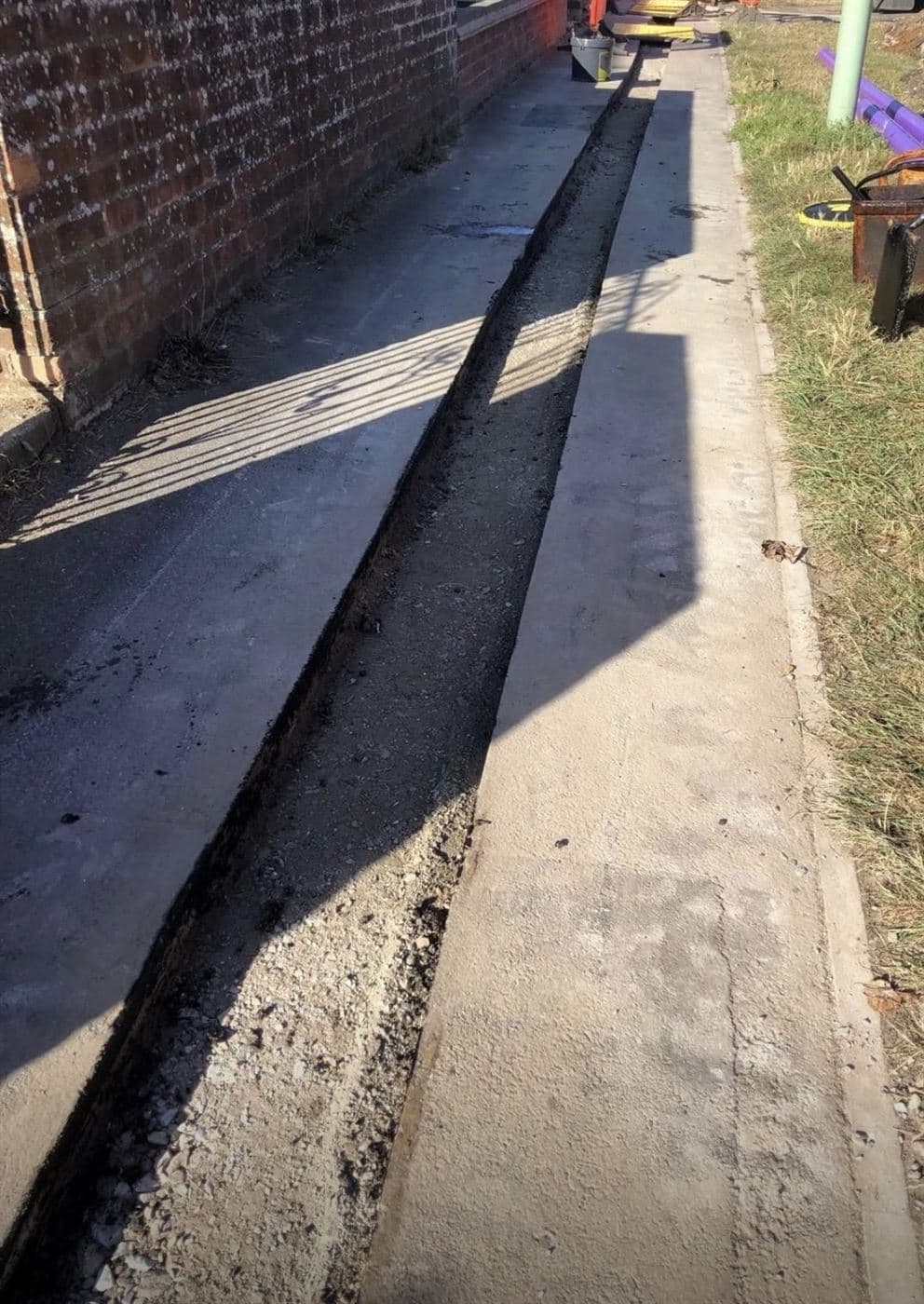
Trench excavation following site clearance

London Boroughs Covered

Site clearance, demolition and excavation across Greater London. Permit rules, working hours and tree protections differ borough to borough, so we check yours before quoting.

CamdenIslingtonHackneyWandsworthLambethSouthwarkKensington & ChelseaWestminsterRichmond upon ThamesEalingBarnetBromleyHaringeyGreenwichMertonHounslow

FAQ

London Site Clearance FAQs

As a guide, straightforward clearance of an accessible London plot runs roughly £25 to £60 per m² for vegetation, rubble and light structures. Garage or outbuilding demolition including removal typically lands between £1,800 and £4,500. The bigger variable is disposal: a 20-tonne grab lorry load away from a London site is commonly £280 to £450, and an 8-yard skip plus a borough permit £350 to £600. Where there is no vehicle access and spoil has to be barrowed out, labour can double the price of the same job. These are guide prices only. Nothing is fixed until we have seen the site.

Yes, if the skip sits on the public highway, which in most of London it has to. Permits are issued by the individual borough, not by a single London-wide authority, so the cost, the lead time and the conditions vary from borough to borough. Expect roughly £60 to £180 for a permit of one to two weeks, sometimes longer to obtain. In a controlled parking zone you will usually also need parking bays suspended, which is a separate application and a separate cost. KiKK applies for permits and bay suspensions as part of the job.

It is common on London terraces and it changes the method rather than stopping the job. Where a lorry cannot reach the spoil, we work back through the options: a conveyor over a side return, a chute to a skip on the street, or as a last resort barrowing out through the house on protective boarding and sheeting. Barrow-out is genuinely slow. A rear garden dig that would take two days with machine access can take a week by hand, and that is why quotes for apparently identical London jobs differ so much. We measure the access route at the site visit and price the method we will actually use.

It goes to a licensed waste transfer station or recycling facility, and you get a waste transfer note for it. Under the waste duty of care the producer of the waste (that is you, the site owner) retains liability if it is fly-tipped, so paperwork is not a formality. KiKK provides waste transfer documentation on every London job, and segregates inert material such as soil, brick and concrete from mixed waste, because inert loads are cheaper to tip and more of the material gets recycled.

We stop. Asbestos is not a job for a groundworker. Asbestos cement roofing on old garages and outbuildings is common on pre-1980 London properties, and licensed asbestos work must be carried out by a licensed contractor under the Control of Asbestos Regulations 2012. If we suspect asbestos we halt work in that area, tell you straight away, and you appoint a specialist to survey and remove it. We resume once it is cleared and documented. Any contractor who offers to just take it away in a skip is putting you at risk.

Yes, but the checks come first. Large parts of inner London are within conservation areas, and trees in a conservation area are protected. You must give the borough six weeks' written notice before pruning or removing one, and trees under a Tree Preservation Order need consent regardless of location. Demolition of a structure in a conservation area may also need prior approval. Working hours for noisy works are restricted in most boroughs, commonly to around 8am to 6pm Monday to Friday and 8am to 1pm Saturday with nothing on Sundays or bank holidays, though this varies and should be checked with the borough. KiKK confirms all of this before a machine goes anywhere near the site.

Other Services

Explore Our Other Services

Clearing a Site in London?

Tell us the address and what needs to go. We will look at the access, the borough rules and the ground, then give you a written fixed-price quote covering the clearance, the muck away and the paperwork.

01603 381016